sustainability aligned compressed nitrogen flow gauges?
Throughout the intense area of production techniques,valid flow measurement is paramount. From optimizing production efficiency to ensuring product quality and safety, flow monitoring plays a vital role.Leading-edge technologies offer a inclusive array of flow measurement technologies tailored to meet the specialized needs of various industries. These state-of-the-art tools employ a variety of measurement principles, such as positive displacement, to provide immediate flow data with optimal correctness.
Fields ranging from oil and gas to pharmaceuticals rely on these reliable flow measurement solutions to manage critical processes. By providing crucial insights into fluid behavior, these technologies enable industries to improve efficiency, reduce costs, and ensure sound operations.
Oval Gear Flow Meters: Redefining Accuracy in Turbine Flow Metering
Oval gear flow meters stand out as the pinnacle within the realm of turbine flow meter technology. Renowned for their unparalleled faithfulness, these meters offer sturdy performance across a wide range of fluid applications. Their innovative design, featuring coordinated oval gears, ensures a accurate flow measurement task. This built-in precision makes them the preferred choice for industries where fineness is paramount.
- Uses spanning various sectors, including chemical processing, pharmaceutical manufacturing, and food & beverage production.
- Perks such as minimal pressure drop, low maintenance requirements, and a extended service life.
- Attributes that have been constantly refined and improved upon over the years, leading to superior performance.
Geared Flow Meters: Trustworthy and Accurate Flow Tracking
In the realm of industrial processes, trustworthy volume tracking is paramount. Gear flow meters emerge as a dependable solution, offering precise appraisal of fluid velocity. These meters use rotating cylinders to create a simple relationship between the turning rate of gears and the rate of passage. The robustness of gear flow meters makes them suitable for treating even damaging fluids, guaranteeing reliable performance in demanding circumstances.
- Rewards of Gear Flow Meters:
- Precision: Gear flow meters provide top-tier flow stipulation due to their physical design.
- Resilience: Made from tough materials, gear flow meters can withstand extreme operating settings.
- Diversity: Gear flow meters are suitable for a wide range of substances, including those with distinct fluidities.
- Light Tending: Gear flow meters typically require minimal maintenance, leading to diminished outages.
Electing Industrial Turbine Flow Meters
Industrial turbine flow meters are a popular choice for measuring the flow rate of liquids and gases in a variety of applications. Choosing the right type of turbine flow meter can be a complex process, as there are many factors to consider, such as the category of fluid being measured, the flow rate range, and the operating settings. This guide will provide some helpful tips on how to identify the most appropriate turbine flow meter for your needs.
One important factor to consider is the malleability of the fluid being measured. Turbine flow meters are best suited for measuring fluids with a relatively low viscosity. If you are measuring a high-viscosity fluid, you may need to consider a different type of flow meter, such as a positive displacement flow meter.
- The scope of flow rates that the meter needs to measure is another important factor to consider. Turbine flow meters are available in a wide range of sizes and configurations to accommodate different flow rate requirements.
- Functional conditions, such as temperature, pressure, and corrosivity, can also affect the determination of a turbine flow meter. It is important to choose a meter that is designed to operate in the specific conditions of your application.
Finally, consider the accuracy requirements of your application. Turbine flow meters can provide a high degree of accuracy, but some applications may require even greater precision. In these cases, you may need to consider a more specialized type of flow meter.
Leading-edge Turbine Flow Meter Specifications
Advanced turbine flow meters are renowned for their exceptional performance characteristics, making them ideal for a wide range of industrial applications. These meters offer high accuracy, repeatability, and turndown ratios, ensuring precise measurement even at low flow rates. The turbine element, driven by the fluid flow, rotates at a speed proportional to the flow velocity. This rotational motion is then converted into an electrical signal, which can be displayed as a volumetric or mass flow rate. Many factors influence the performance of these meters, encompassing flow range, fluid viscosity, and temperature. Selecting the appropriate turbine flow meter for a specific application requires careful consideration of these performance characteristics to ensure optimal measurement accuracy and reliability.Optimizing Process Efficiency with Oval Gear Flow Meters
In today's competitive industrial landscape, optimizing process efficiency is paramount for businesses to attain success. Oval gear flow meters emerge as a robust solution for accurately monitoring fluid flow rates in a variety of sectors. Their innovative design features two intermeshing oval gears that provide precise and dependable measurement, even with high-density fluids. By implementing oval gear flow meters into your process control systems, you can enhance efficiency, decrease energy consumption, and augment overall operational productivity.
Refining Turbine Flow Meter Operation Through Calibration and Repair
Maintaining accurate flow measurements is crucial for numerous industrial processes. Differential pressure flow meters, known for their high accuracy and reliability, are widely utilized in these applications. To ensure optimal performance and longevity, adhering to rigorous calibration and maintenance protocols is paramount. A well-structured calibration procedure involves comparing the meter's readings against a certified norm, allowing for adjustments to maintain precision. Frequently performing these calibrations helps compensate for potential drift caused by ambient impacts.
Effective maintenance practices play an equally vital role in maximizing the service life of turbine flow meters. This includes regular evaluations to identify any signs of wear or damage, such as pitting. Implementing a preventive upkeep plan tailored to the specific operating environment is essential for minimizing contamination. Additionally, reducing friction can contribute to smooth operation and extend the meter's lifespan.
- Documentation
- Instruction
By diligently adhering to these calibration and maintenance best practices, operators can ensure the reliable performance of turbine flow meters, leading to improved process control, enhanced efficiency, and reduced downtime.
Analyzing the Benefits of Gear Flow Meters
Gear flow meters furnish a dependable method for measuring fluid circulation. Their clear design features precisely engineered gears that pivot in proportion to the mass of fluid passing through. This hardware-based activity results in a accurate measurement, making gear flow meters fitting for a large range of uses.
- Pluses include their sturdiness, resistance to abrasive fluids, and their power to manage in demanding circumstances.
Comprehensive Applications of Oval Gear Flow Systems
Oval gear flow meters exhibit exceptional accuracy and reliability across a broad range of industrial applications. Celebrated for their robust construction and low maintenance requirements, these meters are employed in various sectors, including petroleum, liquid purification, industrial chemistry, drink manufacturing, medicinal production. Their ability to measure both broad flow rates with accuracy makes them a essential choice for assessing fluid transport in these diverse industries.Factory Flow Measurement Technology Evolution
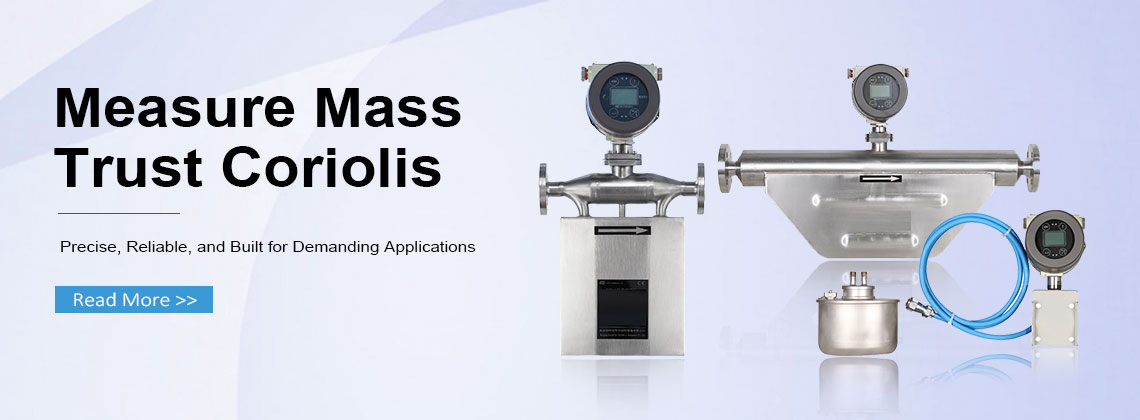
Flow measurement has remained a critical role in managing industrial processes for generations. Early methods, such as bubble tubes, were rudimentary but practical for many applications. The appearance of electronic sensors in the advanced century transformed flow measurement, supplying higher accuracy, constancy, and digital capabilities. Today, a comprehensive range of technologies are available, including ultrasonic sensors, electromagnetic flowmeters, vortex shedding meters, and open-channel flow measurement devices. Each technology has its own capabilities, making it suitable for targeted applications. The continuous refinement of flow measurement technology is Coriolis flow meter driven by the need for higher accuracy, functionality, and data sharing in increasingly complex industrial environments.Operating Principles of Gear Flow Meters
Flow meters are vital instruments for measuring the rate of substance. Among these, gear flow meters stand out due to their robust design and reliable performance. These meters rely on the principle displacement calculation by utilizing rotating gears within a housing. As fluid flows through the meter, it drives the meshing gears, which in turn rotate a shaft connected to a counter. The rotation of this shaft is directly proportional to the volume of fluid flowing per unit time. Gear flow meters are particularly suited for viscous substance monitoring over a wide range fluid characteristics.
- Design Considerations
- Flow Rate Ranges