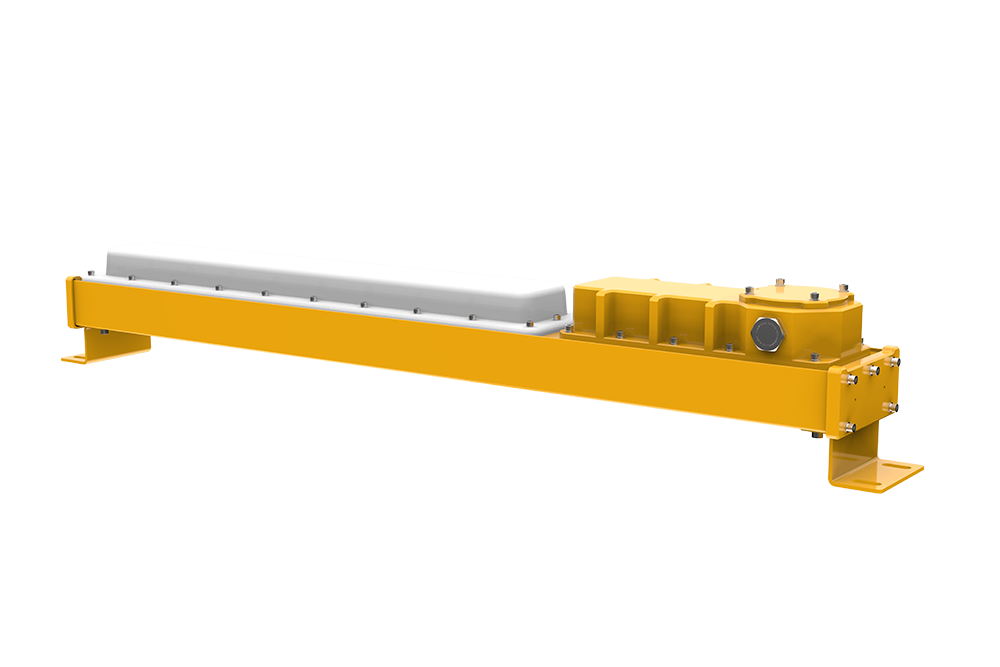
export ready hazard warehouse explosion lights?
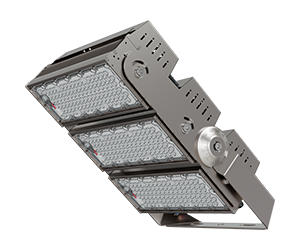
d
Toiling in settings comprising volatile materials obliges some severe strategy towards current care. Sparkproof illumination devices function as particularly designed intending to block combustion in specified precarious regions, typically arranged as Class I, II, or III parts. Those light sources are scarcely purely "durable" – the lamps run upon specific rule concerning containment: provided that one ignition indeed happen at the enclosure, it's held and will not diffuse into the encompassing space. Selecting the proper kind of fireproof illumination means crucial and relies on points like the dust observed, its level, and the thermal level of the apparatus. At all times refer with a licensed professional to secure conformance with local guidelines and to keep a secure area. Failure to do so can bring about major outcomes.
Learning Explosion Intrinsically Safe Lamps Criteria
Ensuring worker protection and preventing catastrophic breakdowns in hazardous locations demands meticulous attention to explosion fireproof light sources regulations. These requirements typically stem from organizations like the National Electrical Protocol (NEC) and globally recognized testing bodies, ensuring equipment can withstand likely ignition sources such as explosive gases, vapors, or dust. Proper adoption involves considering the specific Class and Area designation of the area, which dictates the level of precaution needed – from intrinsically safe designs to enclosures capable of containing an contained burst. Conformance with these standards isn't merely a recommendation; it’s a legal and ethical duty vital for protecting lives and property.
Blast Resistant Lighting Devices: A Full Summary
Guaranteeing security in possibly risky settings is important, and flameproof lighting systems play a key part in securing this goal. Those exclusively developed lighting fixtures are engineered to combat detonative areas, curbing flaming of substances and liquids. Understanding the principles of ex proof certification, different models of installations, and valid employment is fully mandatory for congruence and towards supporting a secure working place. The aforementioned essay will analyze into aforementioned features, offering effective discoveries for specialists and location administrators.
Light-Emitting Diode Explosion-Proof Lighting Devices: Output
Regarding locations where fire-prone fluids or particles are present, regular lighting can pose a serious harm. Thankfully so, LED hazardous location lighting bring a potent approach that conjoins unparalleled performance with indispensable defense. Such latest technologies deploy notably less electricity than former techniques, generating cut operating costs and a decreased impact. Furthermore, the strong build of these sources secures continuous activity even in the hostile manufacturing scenarios, lessening the prospect of combustion.
Opting for the Right Hazardous-Location Luminaires for Dangerous Regions
Ensuring protected running within perilous spaces demands meticulous consideration when picking lighting means. More than simply procuring a apparatus, it's vital to recognize the individual designation of the region – whether it's Tier I, II, or III, and sections 1 or 2. The suitable lighting style – frequently shockproof – must be qualified by a reputable verification agency such as CSA to guarantee it is able to survive the expected for ignition. Moreover, aspects like ambient thermal environment , electricity requirements, and lighting levels should be closely appraised to yield superior performance and maintain adherence with all necessary precaution rules. Discounting these considerations could result in severe repercussions.
Investigation of Gains of Blast Proof Technology in Business Areas
Retaining a safe and reliable operational environment is paramount in commercial settings, particularly those dealing with volatile materials. Intrinsically safe lighting isn't simply a compliance issue; it's a vital investment in employee well-being and asset safeguarding. Those robust fixtures are meticulously built to contain an contained explosion, preventing combustion of surrounding fumes. Beyond this primary role, they typically offer improved durability in harsh conditions, reducing adjustment frequency and downtime. Furthermore, the adoption of innovative blast resistant lighting solutions, such as chip-based technology, can yield significant expenditure reductions and a more renewable operation, while jointly enhancing workplace perception and overall output.
Preserving Your Explosion-Proof Lights: Exemplary Systems
Scheduled servicing is essential for preserving the continuity of your fireproof lighting arrangements. Commence with a thorough visual survey for any symptoms of visible damage, such as shatters or wear. Frequently clean the optics to eliminate dust and waste, which can damage light emission. Additionally, ensure total terminals are firm and free of imperfections. Plan a proactive scrutiny program, respecting the vendor's requirements and suitable industry criteria. In conclusion, keep correct documentation of all adjustment operations for audit aims.
Defining relates to Shockproof Lighting Equipment how How it Work?
Intrinsically-safe lighting equipment are specially crafted systems intended to inhibit ignition in unsafe locations, like flammable refineries or powdered dust management workplaces. Essentially, instead of avoiding discharges from transpiring, these lights restrict any potential glimmer within a contained case. This mechanism typically involves applying hardy shells, often built of molded iron, that are secured and packed with a neutral matter, like sawdust, to diffuse any built-in heat exhaust from an glint. The construction ensures that any inside eruption doesn’t escape to the external vicinity, thus softening a larger event.
Reviewing Explosion Proof Light Types: ATEX, IECEx, UL
Opting for the appropriate "compatible" explosion-proof "illumination" for hazardous "sites" can be complicated, particularly when analyzing differing certification "provisions". ATEX, IECEx, and UL are three prominent" certifications, each with its own "process" and extent". ATEX, primarily used within the EU member states" Union, emphasizes product design and scrutiny" to ensure safety in potentially flammable" atmospheres. IECEx, an international certification, offers a universal" recognized yardstick" and often grants" reciprocal recognition, accelerating" compliance across multiple "zones". Finally, UL (Underwriters Laboratories) commonly" focuses on North American "rules" and provides a authoritative" certification system known for its rigorous" testing "operations". While overlaps transpire, the specific" testing "methods" and record-keeping" differ, making a careful "review" crucial for ensuring full statutory" compliance and a hazard-free" working "location".
Solid-State Light vs. Time-Honored Flame Retardant Lights: Which is Better?
Choosing between LED and traditional hazardous location explosion proof lights {lights|fixtures|luminaires|lamps|lighting systems|illum