ecommerce friendly process plant butterfly flow valves supply?
Paramount selection of valves for industry improves process performance and complete system functionality. To ensure optimal operation, it is crucial to meticulously choose valves that meet the prerequisites of your application.
A wide-ranging valve choosing guide needs to contemplate a set of determinants covering fluid composition, load pressure, temperature bracket, flowing volume, and controlling standards. Additionally, it's essential to identify the desired valve actuation mechanism, such as pneumatic, hydraulic, or electric.
Detailed Evaluation of Butterfly Valve Operation
Defining precise performance benchmarks for butterfly valves is fundamental for professionals pursuing steady and reliable system activity. The investigation highlights significant factors shaping butterfly valve performance, such as material qualities, working circumstances, and analytical methods. By comprehensive investigation of these elements, this report intends to deliver an all-inclusive insight into contributors to butterfly valve functionality.
- Configuration elements significantly affect comprehensive effectiveness
- Constituents of valve framework strongly determine resilience amidst multiple working contexts
- Flow impedance represents a critical factor reviewing butterfly valve operation, chiefly when facing substantial flow loads
Function of Ball Valves under High Load Conditions
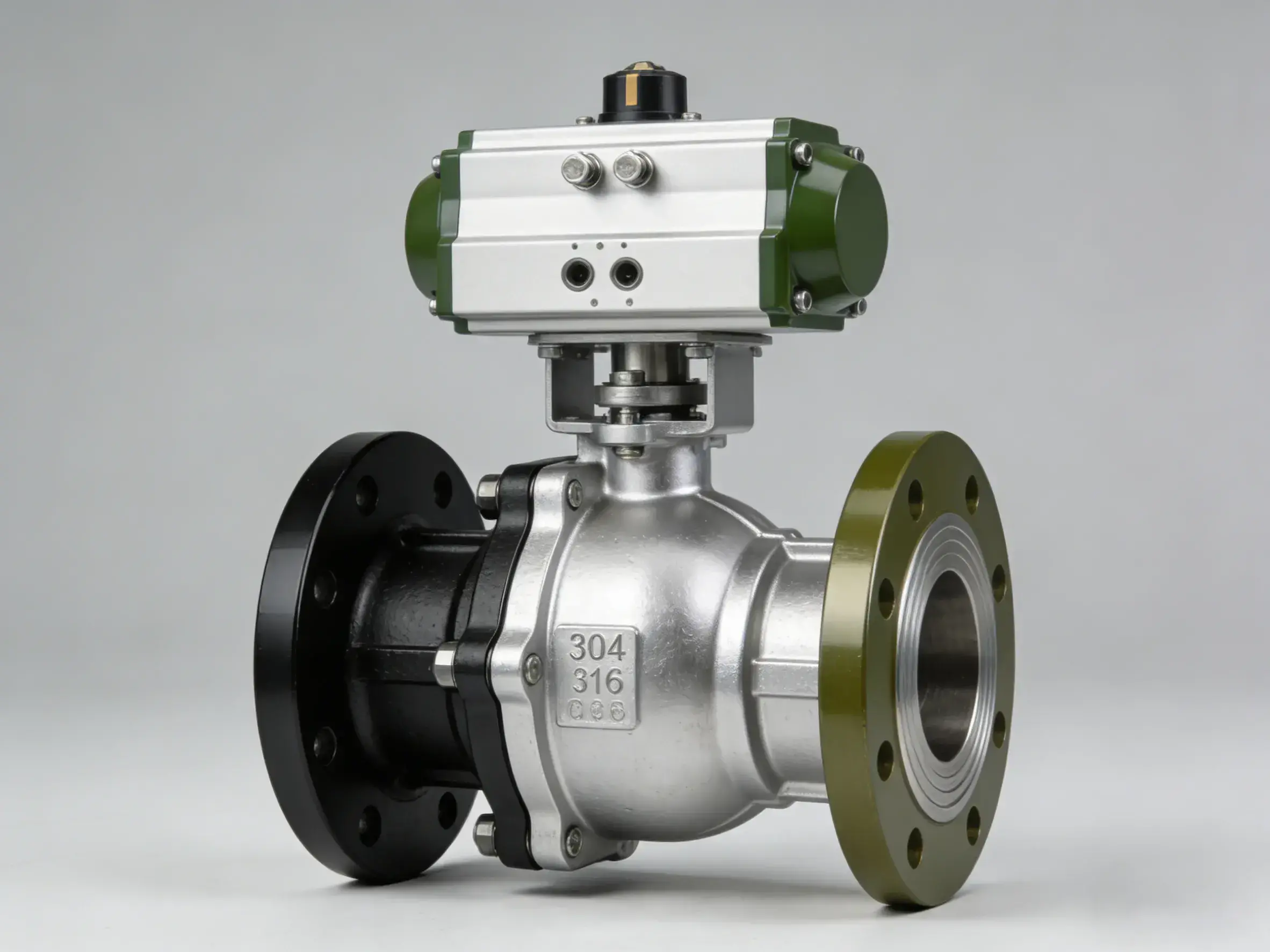
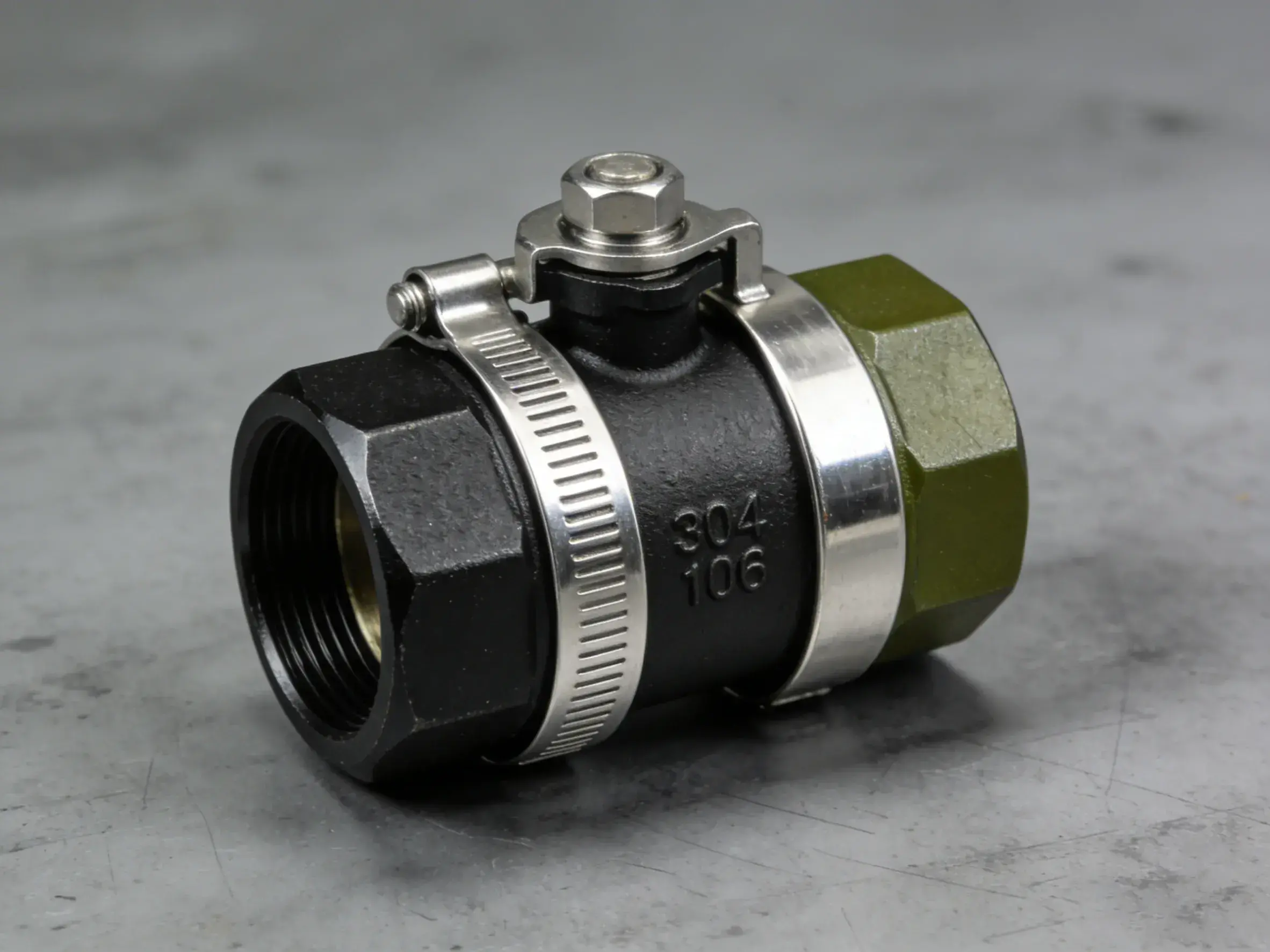
Ball valves appear as solid picks for directing heightened pressure duties. Their minimalist model contains a rotund ball with a channel that pivots to supervise the flow of liquids. This configuration skillfully confronts increased pressure situations through its strong locking.
Across domains like fuel extraction, ball valves undertake a crucial position in overseeing substantial pressure conduits. Their sturdiness designates them well-suited to tolerate the force of intense pressure substances.
- Furthermore, ball valves are known for their quick operation, allowing for efficient flow regulation.
- Supplied in varied matter and measures, ball valves personalize to match exclusive needs of diverse boosted pressure sessions.
Comprehending Different Valve Categories and Their Roles
Throughout fluid mechanics, valves undertake a key role administering fluid and gas streams. Selecting the appropriate valve type is paramount to ensure efficient system performance. Valves are grouped according to their working basis, architecture, and intended purpose. Standard valves consist of gate, globe, check, ball, and butterfly assortments. Every kind presents peculiar elements, adapting them to dedicated tasks. For instance, gate valves are used for regulating flow completely, while globe valves provide fine control over flow rate. Check valves obstruct reverse transit, preserving singular direction flow. Ball valves manifest rapid and reliable toggle operation, while butterfly valves are fruitful for high output applications.
Advancing Fluid Steering by Industrial Valves
Managing flow rates constitutes a vital factor in varied industrial operations. Industry valves hold a decisive position in managing liquid and vapor streams across frameworks. Applying relevant valve styles coupled with tactical control schemes assists organizations in augmenting process performance, risk reduction, and quality results.
A central part of maximizing flow regulation requires knowledge of assorted valve employments. Various valve constructions match particular fluid behaviors, tension intervals, and functional settings. To illustrate, globe valves regularly fulfill flow throttling, whereas ball valves prevail in direct off-on usages.
Securing reliable flux oversight entails examination of considerations like valve size, driving instruments, and control policies. Employing innovative management tools like PLCs facilitates automatic fluid observation and calibration, improving production effectiveness.
Systematic servicing of plant valves is required for preventing shortcomings and upholding reliable flow operation. Detecting prospective problems promptly can reduce expensive stoppages and guarantee uninterrupted functioning of vital procedures.
Care Recommendations for Facility Valve Systems
Systematic maintenance of production valves plays a key role in upholding flawless and reliable performance in industrial settings. A structured upkeep protocol needs establishment, with continual monitoring to address hazards before serious failures result. Lubrication of valve components according to the manufacturer's recommendations can significantly extend their service life and reduce friction. Furthermore, it's important to keep valves clean by removing any debris that may impede proper functioning.
A comprehensive maintenance program should also include documentation of all activities performed on the valves, including dates, personnel involved, and parts replaced. This meticulous record-keeping helps track valve performance over time and facilitates informed decision-making regarding future maintenance needs.
Automation Advantages in Valve Regulation
Automation technology has changed valve management in many domains. Utilizing automated controls allows operators to optimize valve management, reducing human involvement and boosting process efficacy. Programmed valve control contributes several advantages like enhanced precision, decreased breakdowns, and improved safety measures
- Analytics devices serve key functions within automated valve networks, reporting immediate details regarding valve alignment. Computing systems analyze such info to proactively fine-tune valve functions
- SCADA platforms are regularly utilized to coordinate automated valve functions, supporting complex management algorithms. The technologies observe valve actions, spot irregularities, and carry out reparative interventions
Also, electronic valve regulation provides advanced process oversight. With accumulated valve metrics, managers acquire crucial knowledge to enhance system productivity and diminish expenses
Safety Considerations for Industrial Valve Installations
When implementing industrial valves within a facility, strict safety protocols are paramount. Ignoring such protective steps may trigger hazardous mishaps, conceivably bringing equipment failure and particularly employee injuries. A careful safety appraisal needs realization ahead of construction to detect potential perils and carry out adequate mitigation steps.
Validate that all team members participating in fitting processes are thoroughly prepared and authorized for valve operations and safety regulation observance. Create a framework for frequent assessments aimed at discovering degradation or faults in valve assemblies. Maintain accurate records of all installations, inspections, and maintenance activities for future reference
- Respect required commerce benchmarks and policies regulating valve fitting and handling
- Utilize appropriate tools and equipment designed for industrial valve installations
- Engage collaboratively with all associates participating in the assignment to maintain protected and efficient implementation
Valves: Principal Units in Manufacturing Environments
Across the sophisticated segment of fabrication/processing/manufacturing frameworks, valves become fundamental pieces. Their duty includes governing fluid flow in advanced architectures, upholding consistent productivity and safety. Valves find employment across broad usages, including regulating heat and pressure plus moving materials
- Assorted valve forms exist, each configured to deliver dedicated functions. Usual examples include gate, ball, and globe models
- Valve selection evaluates aspects like volume flow, pressure intensity, temperature range, and fluid composition
- Secure valve working represents an essential factor in process industries to minimize disruptions and protect product excellence
Ongoing surveillance of valves helps optimize endurance and prevent failures
Modern Substances in Valve Fabrication and Engineering
The modernization of valve fabrication and development directly results from systematic integration of modern substances. These state-of-the-art substances yield an array of enhanced properties behind ordinary options, enabling designers to produce more proficient valves. Characteristic instances involve tough ceramics selected for firmness under strict circumstances, along with light metallic materials maximizing productivity while limiting weight. The application of state-of-the-art materials results in valves presenting upgraded sealing quality, extended lifespan, and improved corrosion tolerance
Valve Actuation Mechanisms: A Comparative Study
{This investigation delves into the diverse valve actuation mechanisms prevalent in modern engineering applications|This exploration examines the varied valve drive technologies common in contemporary engineering Butterfly Valves uses|The study analyzes the mixed valve triggering systems typical in current engineering projects|This research evaluates the assorted valve motion methods widespread in advanced engineering scenarios|The survey inspects the multiple valve control techniques existing in up-to-date engineering solutions|This review considers the assorted valve operating mechanisms encountered in present-day engineering environments|This analysis explores the various valve activation systems found in progressive engineering implementations|The inquiry scrutinizes the heterogeneous valve act