customer retaining sales optimized collector rings descriptions?
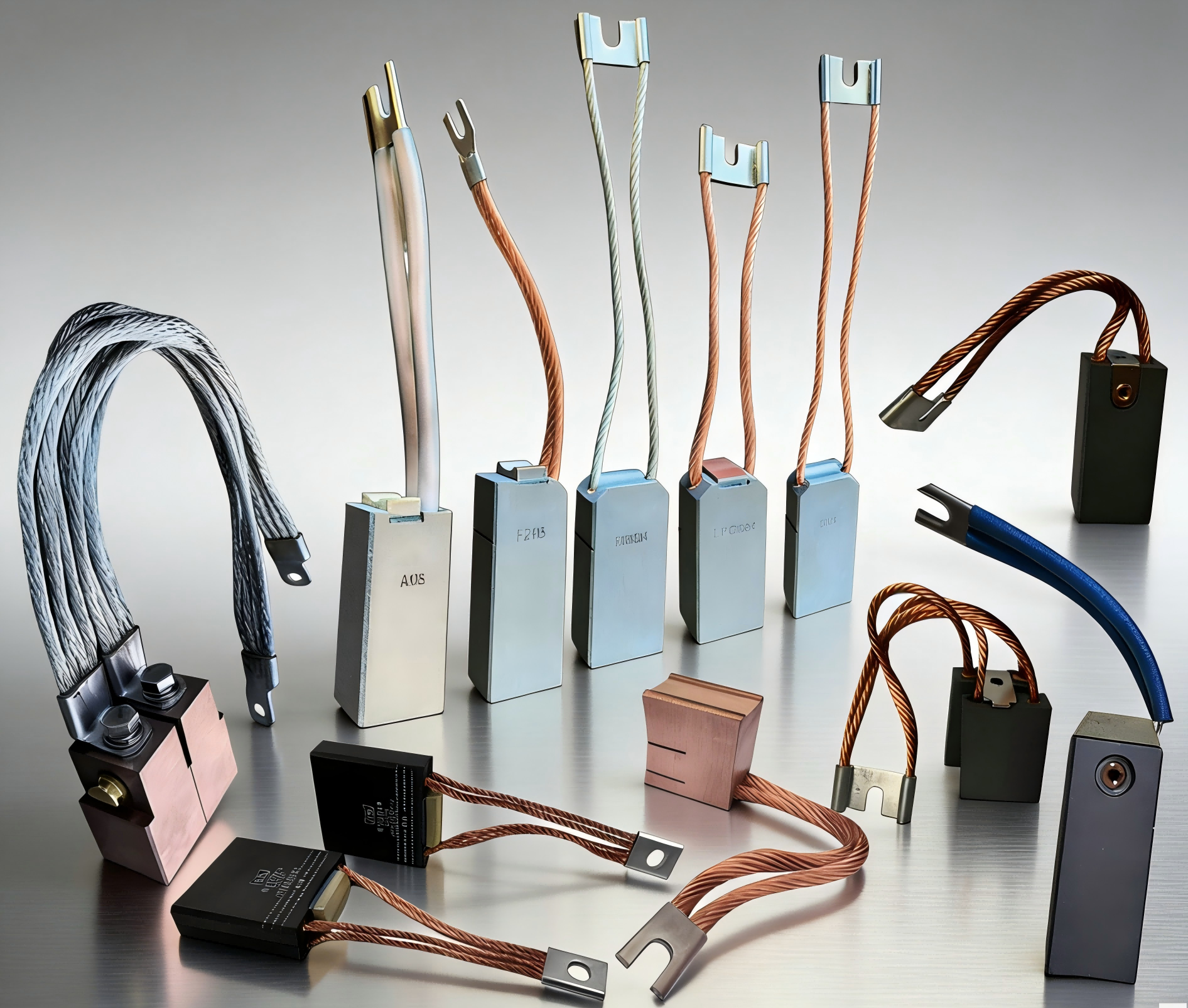
Assuring excellent effectiveness and longevity from individual graphite brushes, an preventive approach acts as paramount. Steadily assess the cleaning brushes for any signs of attrition, particularly ruptures otherwise overabundant abrasion. Retaining adequate interface interfacing brushes with commutator is necessary. Success is attainable via tightening the brush holder screws to secure a close fit without undue strain. Furthermore, maintaining holders clean and without dirt will help facilitate smooth operation. To obtain superior results, think about changing brushes periodically Slip rings based on maker’s advice. Properly preserved carbon brushes guarantee stable power linkage and increase apparatus longevity.
Carbon Brush Holder Design and Selection Guide
When it comes to designing or selecting a carbon brush holder for your electrical motor, many facets necessitate cautious scrutiny. The arrangement of the holder substantially impacts brush working, service life, and overall output. Ensuring premium performance and duration relies on choosing a holder matching the motor’s precise criteria.
- Multiple items impact suitable brush holder blueprints, such as motor type, power parameters, ambient surroundings, and expected functioning.
- Selection of constituents impacts holder reliability Ordinary components encompass copper mixtures, synthetic resins, and ceramic materials, providing diverse attributes in conductivity, robustness, and temperature tolerance.
- Pattern and assembly of brushes further impact greatly Amounts, measures, and placement of brush parts need meticulous definition to guarantee suitable current transmission and contact points.
What is more, the holder construction should comprise properties mitigating brush wear, friction, and electrical sparking. Frequently this includes adding springs, clamps, interfaces to sustain constant brush stress and airflow, chilling, thermal removal structures to avoid excess heat.
Slip Ring Design and Material Selection for Improved Reliability
The lifespan of slip ring assemblies directly depends on the excellence of their parts. Construction practices also play a crucial role in ensuring long-term reliability. Frequently utilized materials entail copper, brass, bronze for connection points, accompanied by insulators such as mica or epoxy ensuring electric isolation. Current slip ring constructions frequently embrace characteristics like autonomous lubrication, hermetically sealed, impurity-resistant bearings controlling wear and fatigue. Elevating usage lifespan. A well-constructed slip ring with appropriate material choices is vital for ensuring smooth power transfer and reliable operation in demanding environments.
Collector Ring Fabrication
Collector rings constitute key parts in numerous electromechanical uses, especially where rapid spinning occurs. Collector ring assemblies integrate multiple conductive loop components encouraging electrical or information flow between immobile and rotating aspects. Collector ring setup requires essential procedures such as material selection, precise ring machining, and secure fixation to a turning shaft. Proper assembly ensures reliable electrical connections and minimizes friction between the rings and brushes.
- In addition, inspecting ring measurement, segment number, and insulation substances is necessary when building collector rings. Specialized constructive processes shift depending on collector ring jobs and creator’s recommendations.
- Comprehending collector ring assembly details is critical among engineers and specialists engaged in rotary electrical gear design, manufacture, or servicing.
Avoiding Electrical Arcing in Rotational Systems
Electrical arcing within rotating systems can lead to a plethora of hazardous situations. This event happens when strong electric power finds an aberrant route, usually caused by insulation wearing or incorrect system setup. Multiple preemptive measures offer risk reduction. Above all, maintaining insulator toughness is vital. Frequent checks and renewals of degraded or defective insulation prove vital to arcing prevention. Finally, appropriate lubrication of rotational parts cuts down friction, lessening breakdown on electrical nodes. Likewise, instituting firm ground connections effectively disperses stray electrical currents, decreasing arcs. In conclusion, meticulous setup of revolving elements stops excessive pressure on power connections, further cutting down arcing dangers.
Decoding Carbon Brush Attrition Reasons
Brush deterioration is a widespread problem affecting electric motors and generators. Such consumption is caused by diverse mechanisms controlling brush life. Chief wear process is abrasion, derived from unceasing friction between brush and commutator. Such rubbing produces warmth and slowly deteriorates the carbon substance. Further, electrochemical decay promotes wear due to chemical effects on interfaces between brush and commutator surfaces reducing components. Additional conditions promoting brush erosion are electrical arcing leading to particular damage on brush contact areas. Misaligned brush installation escalates erosion rate. Knowing these abrasion processes is vital to improve electric machinery function and longevity through apt material choices and upkeep methods.
Criteria Determining Brush Durability
Brush functional duration is affected by several aspects. Scuffing damage from commutator contact serves as a top reason, aggravated by inadequate greasing. Carbon classification for brushes critically controls service life, harder types providing superior wear preservation. Surrounding temperature condition impacts life span, with excessive warmth deteriorating the carbon framework. Conclusively, wrong fitting of brushes triggers early breakdown.
Resolving Typical Carbon Brush Complications
Carbon brushes are a vital component in many electric motors and generators, ensuring the smooth transfer of power between stationary and rotating parts. Nonetheless, brush wear happens by reason of friction, warmth, and residue accumulation. Identifying typical brush problems promptly remains critical to avoiding motor faults and halt periods. Typical symptom involves a squealing sound emitted from the motor. It typically marks degrading brushes or insufficient commutator connection. Inspecting the brushes visually can reveal signs of wear, such as visible grooves, cracks, or excessive length. An additional frequent fault includes cutback in motor output with weak power or startup failure. Such could mean brushes can no longer carry electrical flow effectively. Also, noticing electrical discharges around brushes explicitly points out faulty connection needing swift action. For solution, prompt exchange of defective carbon brushes is recommended. Opt for quality replacement brushes appropriate for your specific motor design. Verify proper installation of new brushes maintaining solid commutator contact. Scrubbing commutator area before fitting boosts brush efficiency. Through careful brush upkeep, motor failures can be avoided and operating life prolonged.
Deciding on Correct Slip Rings for Your Application
During determination of slip rings for your operation, many elements demand review. Initially, figuring out what kind of signals slip rings will carry is important. Could involve voltage signals, mechanical activities, or combinations thereof. Moreover, considering external surroundings where slip rings function matters. Included influences involve climate warmth, wetness, and shaking forces.
- In addition, measurements and harmonization of slip rings with gear should be reviewed.
- Finally, don’t forget the importance of choosing a reputable supplier with a history of producing high-quality slip rings.
By comprehensive scrutiny of these issues, right slip rings can be decided matching specialized conditions.
Decreasing Rolling Vibrations and Noise in Collector Rings
{Collector rings play a crucial role in rotary applications by facilitating the transfer of power and signals|Collector rings have key importance in rotational settings