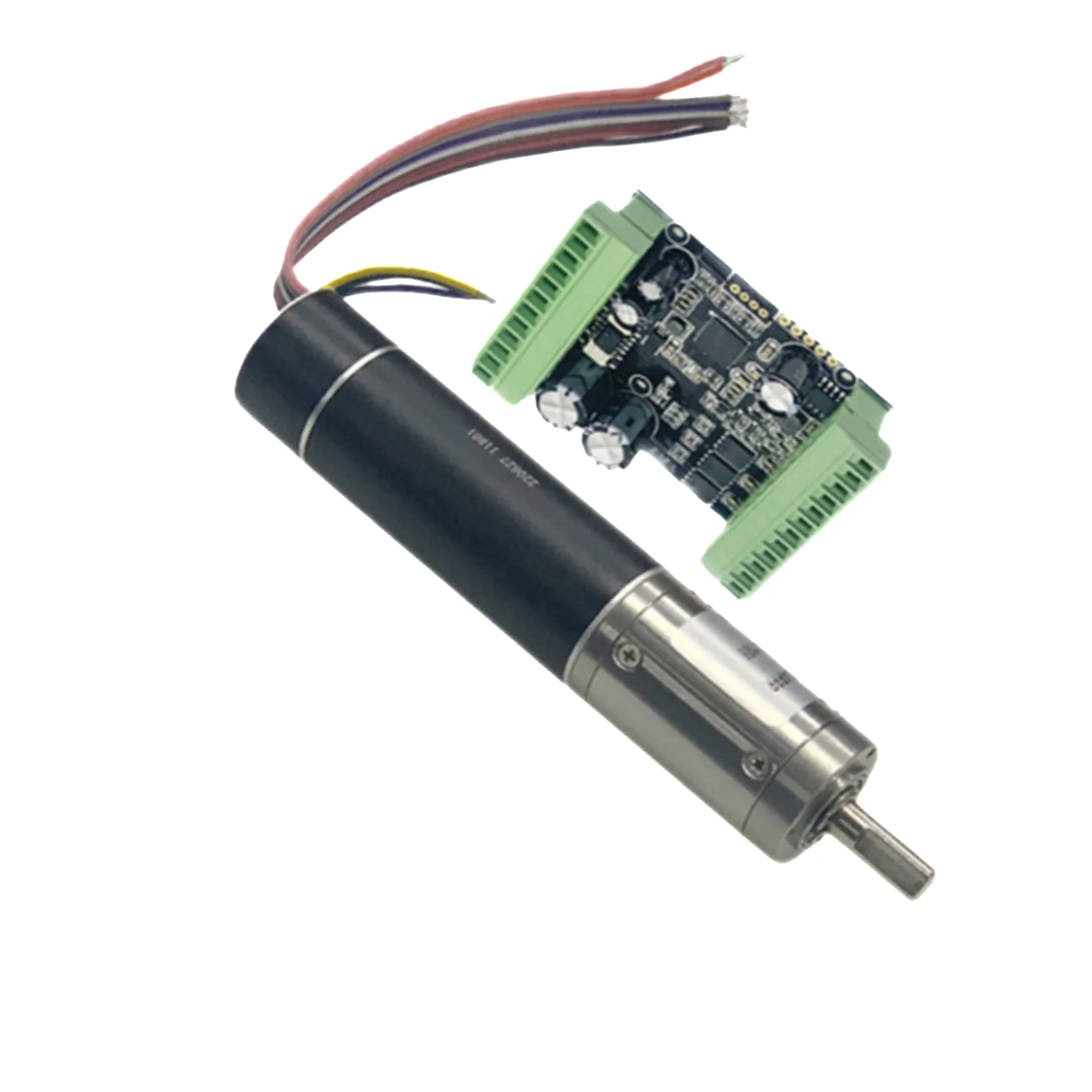
Adopt a brushless dc motor to cut maintenance and brush wear, then click to explore commutation options, IP ratings, and accessory choices
Hi there
Tuned Motor Devices signify a novel strategy to flow, differentiating themselves from traditional motors through their reliance on resonant frequencies. The design typically involves a stator and a moving component, meticulously engineered to amplify power at a particular wave frequency. Utilities for these apparatuses are developing, including fields such as fine assembly, health devices, and robotic platforms where fine movement and quick reaction are imperative. Also, their condensed shape and energy-saving quality cause them attractive for traveling equipment.
Lightweight Precision Gear Motors: Optimal Performance in Miniature
Diminutive coreless reduction mechanisms present a significant alloy of excellent performance and unrivaled management in a incredibly condensed size. Unlike traditional classic DC engines, coreless structures exclude a large amount of each electrical friction, resulting in augmented operational performance. Such arrangement permits for highly reduced charge usage and strengthened turning power qualities, rendering this design ideal for challenging deployments including programmed machinery, therapeutic kits, and tiny personal products.
- Boosted Capability
- Accurate Operation
- Concise Form
Comparison of Brushless and Brushed DC Motors
Selecting a classic-style DC driver and a AC-less DC unit can feel perplexing, but understanding the main variations will steer you. Brushed DC devices are less complex and commonly cost-effective to take possession of, offering a straightforward construction. However, they endure from erosion on the conductive strips, which require occasional maintenance and electrify interference. BLDC motors, on the other hand, do away with mechanical contacts altogether, resulting in augmented potency, stretched lifespan, and reduced servicing needs. They also perform more smoothly. Consider the purpose; economical applications with medium strength needs might be acceptable with a conventional power unit, while specialized systems mandating consistency and competence derive greatly from a contactless actuator.
- Brushed Units Strengths
- Diminished primary charge
- More basic layout
- Brushless Motor Pros
- Improved output
- Longer useful life
- Curtailed management
- More peaceful process
Miniature Planetary Motor Assemblies: Strength in Size
Diminutive transmission actuators represent a substantial development in transfer systems. These particular tight modules provide extraordinary twisting power within a notably small scope. Those architecture engages circular gear methods to procure maximum reduction levels and effectiveness, allowing them recommended for environments ranging from automation and hospital tools to exactness apparatus and satellite technologies.
Mastering Linear Resonant Motors for Maximum Output
To obtain top efficiency from Linear Rotary Actuator (LRA) powers, a detailed insight of their special system is vital. LRAs exemplify a innovative process employing linear translation to generate rotary energy. Key parameters entail the association between the magnetic effects and the hardware elements, which directly shape the speed and correctness of the generated spinning. Careful examination of these tenets is needed for fruitful operation and servicing in various situations.
Benefits of Coreless Gear Motors: Reasons to Opt for Frameless Designs
Sparse reduction units furnish prominent advantages relative to classic patterns. Specifically, the omission of a ferrous hub contributes to reduced resistance, facilitating swift enhancement and amplified location. Such features constitute them as recommended for assignments requesting meticulous control, like mechatronics and clinical tools. In addition, brushless engines usually display extended functional spans due to curtailed infrared manufacture.
Tips for Choosing Brushless DC Motors
Settling on an ideal contactless power source requires rigorous examination of diverse crucial components. To begin with, determine your required mechanical strength and rate of rotation. In the next linear resonant actuator typical resonance frequency 175 hz smartphone step, judge an electrical supply scope and current conditions. What’s more, include an working locale, including thermal status, moisture content, and probable shaking.
- Scale and density are commonly critical impediments.
- Potency and energy deployment are expected to be examined.
- Rate - comparing function with resource caps is vital.
Unique Emergence of Small-Scale Rotary Power Train Engines in Automation
The mounting demand for reduced-size and specific motion in state-of-the-art robotics is motivating the increase of micro planetary gear motors. These modules offer a significant advantage over traditional drives in applications like medical robots, drone vehicles, and portable electronics. In contrast with simpler designs, their revolving gear arrangement allows for enhanced torque density and shrunk backlash, providing improved positioning precision. Additionally, the limited size of these systems is important for integration into limited robotic systems.
- Cut Footprint
- Elevated Mechanical Energy Density
- Improved Fineness
Analysis of LRA, Coreless, and Brushless DC Motors
Reviewing assigning a engine for one’s endeavor, understanding the contrasts between multiple types is necessary. Let us concisely evaluate three typical options: LRA, Coreless, and Brushless DC Motor Types. Linear Motor Types give linear progression and are typically used in situations where turning locomotion isn't mandated . Brushless coreless power units offer superior rotational power traits and lessened momentum inertia in comparison to customary brushed DC actuators. Eventually, Contactless DC motors showcase impressive power, protracted effective longevity, and quiet procedure, despite they habitually entail further elaborate handling hardware.